Building the bridge between Moldova and the African continent
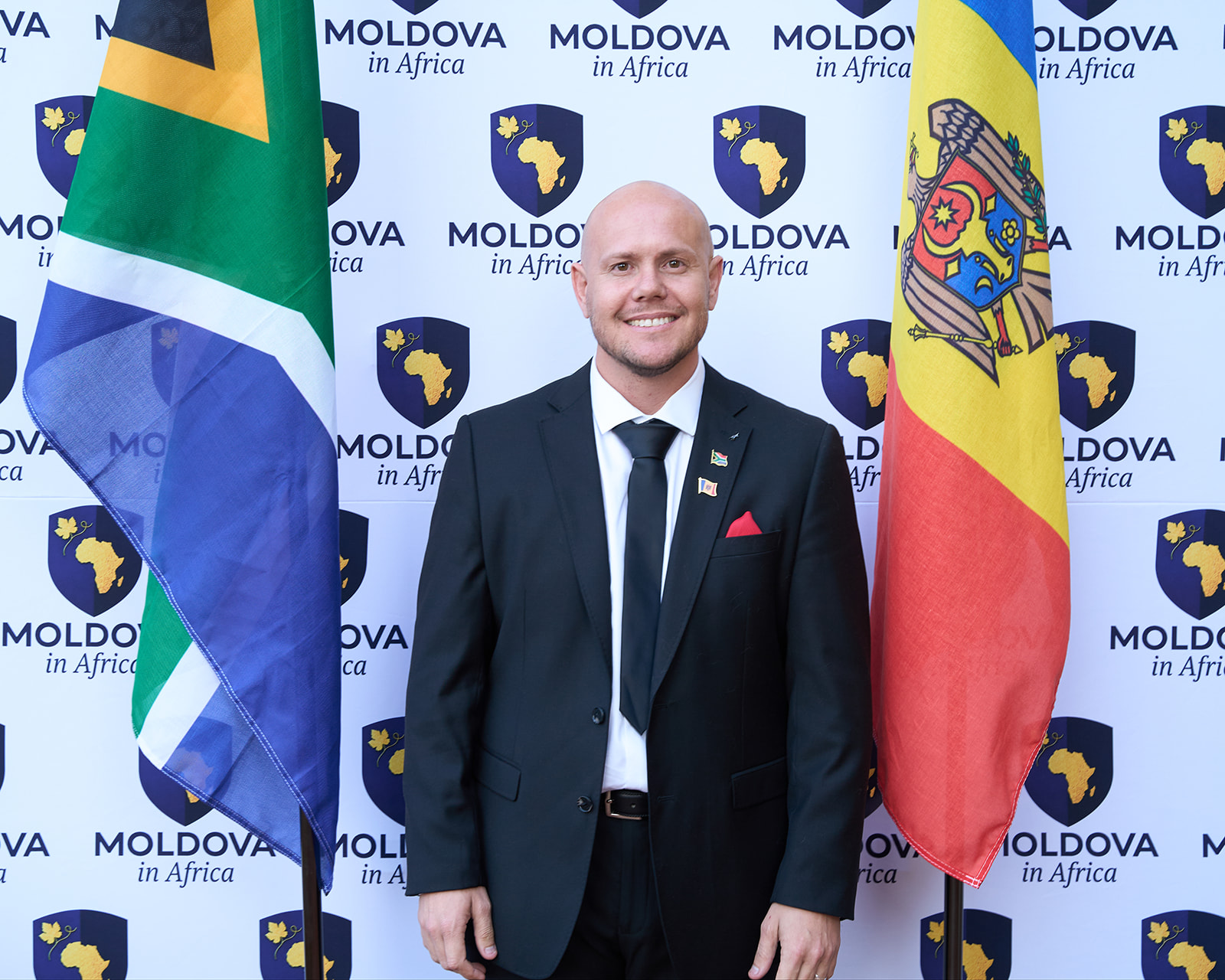
Moldova in Africa was founded by Pierre Calitz in 2026 as the first dedicated public diplomacy platform for the Republic of Moldova on the African continent. It operates independently of any government mandate, and exists precisely because no such mandate yet covers Africa.
The Republic of Moldova has no resident embassy, consulate, or trade office anywhere on the African continent. With one Honorary Consul serving Mauritius and no presence across the remaining 53 African nations, Moldova's continental footprint is virtually invisible. No institutional platform speaks for Moldova’s interests across the 54 nations of the world’s fastest-growing market.
That is the gap this platform is filling today, before the appointment exists, because the work cannot wait for the appointment to begin.
Nestled between Romania and Ukraine at the crossroads of Eastern Europe, Moldova carries 3,000 years of civilisation, a world-class wine tradition, and one of Europe’s most dynamic emerging economies. Most of Africa has never heard its name. That is about to change.
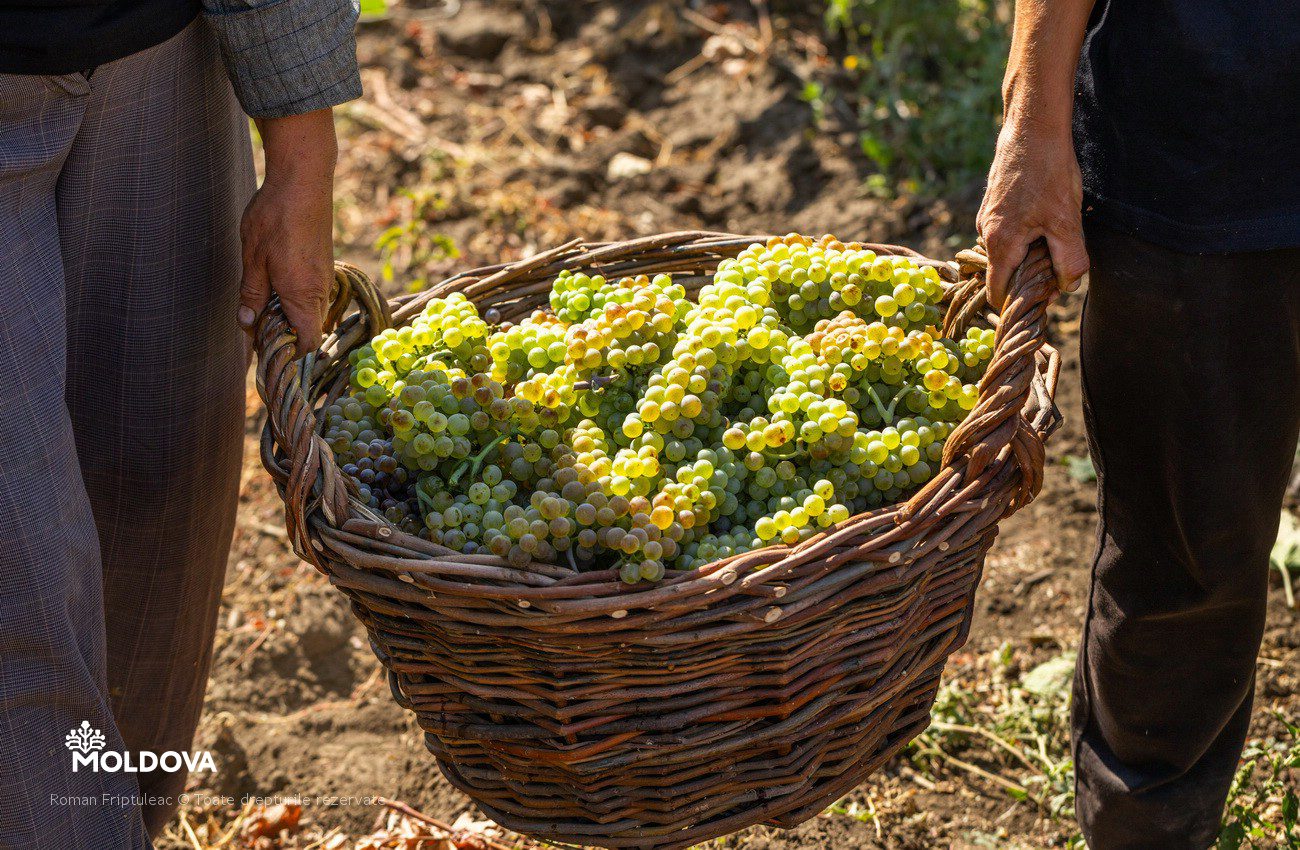
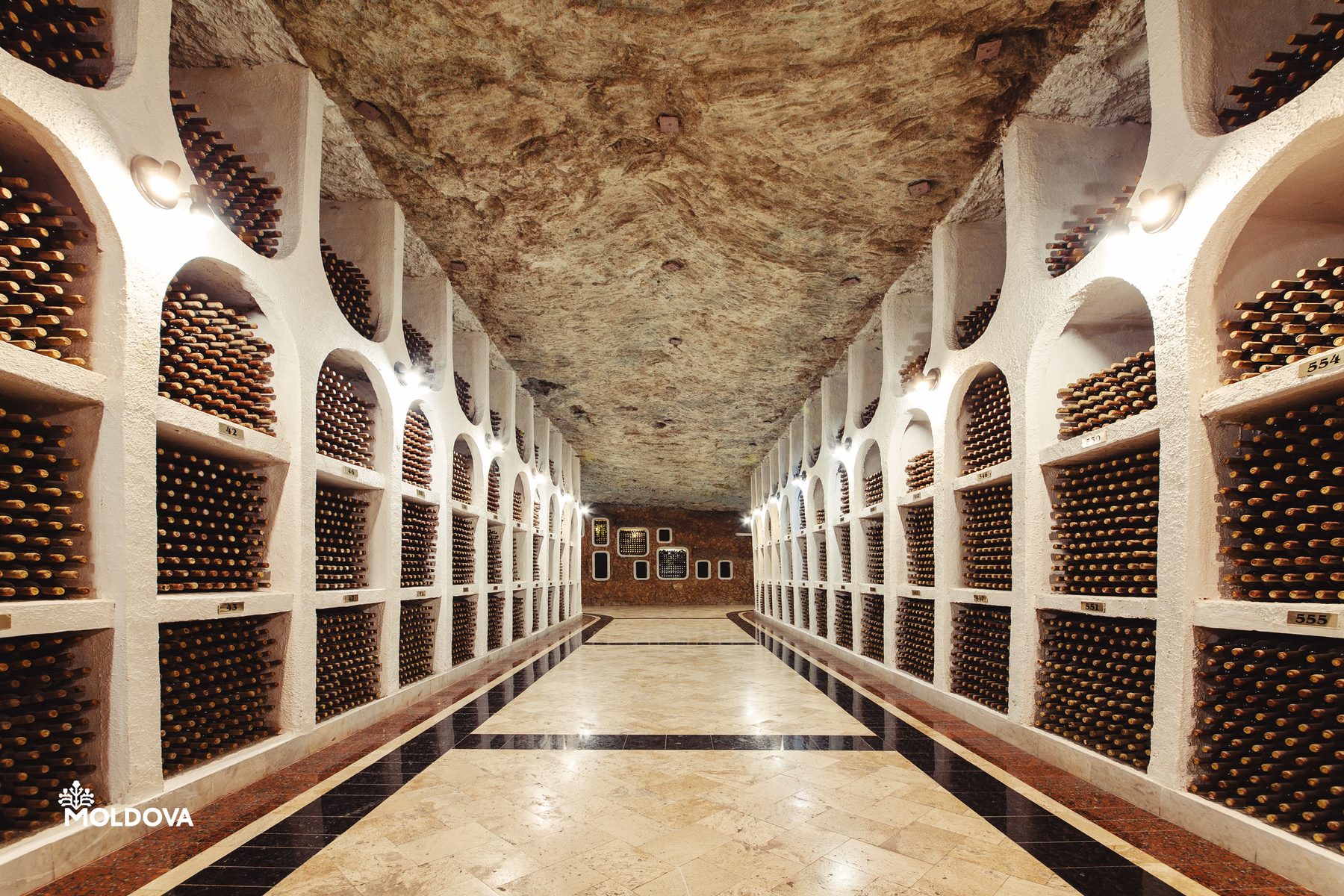
Moldova is one of the world’s oldest wine-producing nations. Its vineyards produce world-class wines now reaching 63 countries globally, with Africa as its fastest-growing market in 2026.
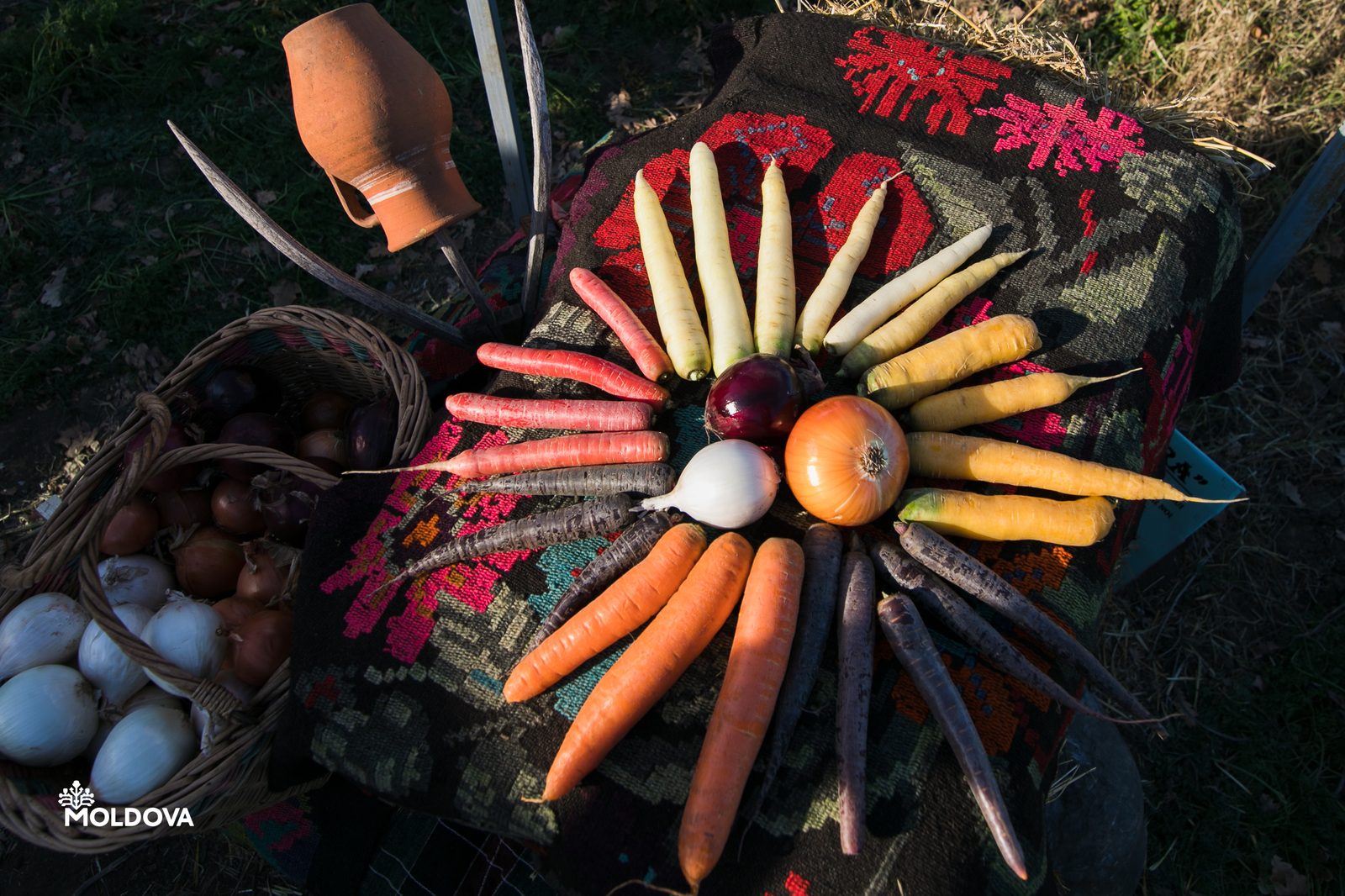
Moldova produces wheat, sunflowers, maize, fruits and vegetables at scale. Its sunflower oil sector exported 92,000 metric tonnes in 2025/26, directly relevant to Africa’s $12 billion edible oil market.
Moldova’s ICT sector contributes approximately 7.5% of GDP with IT exports surpassing $840 million annually. One of Europe’s most competitive digital investment environments.
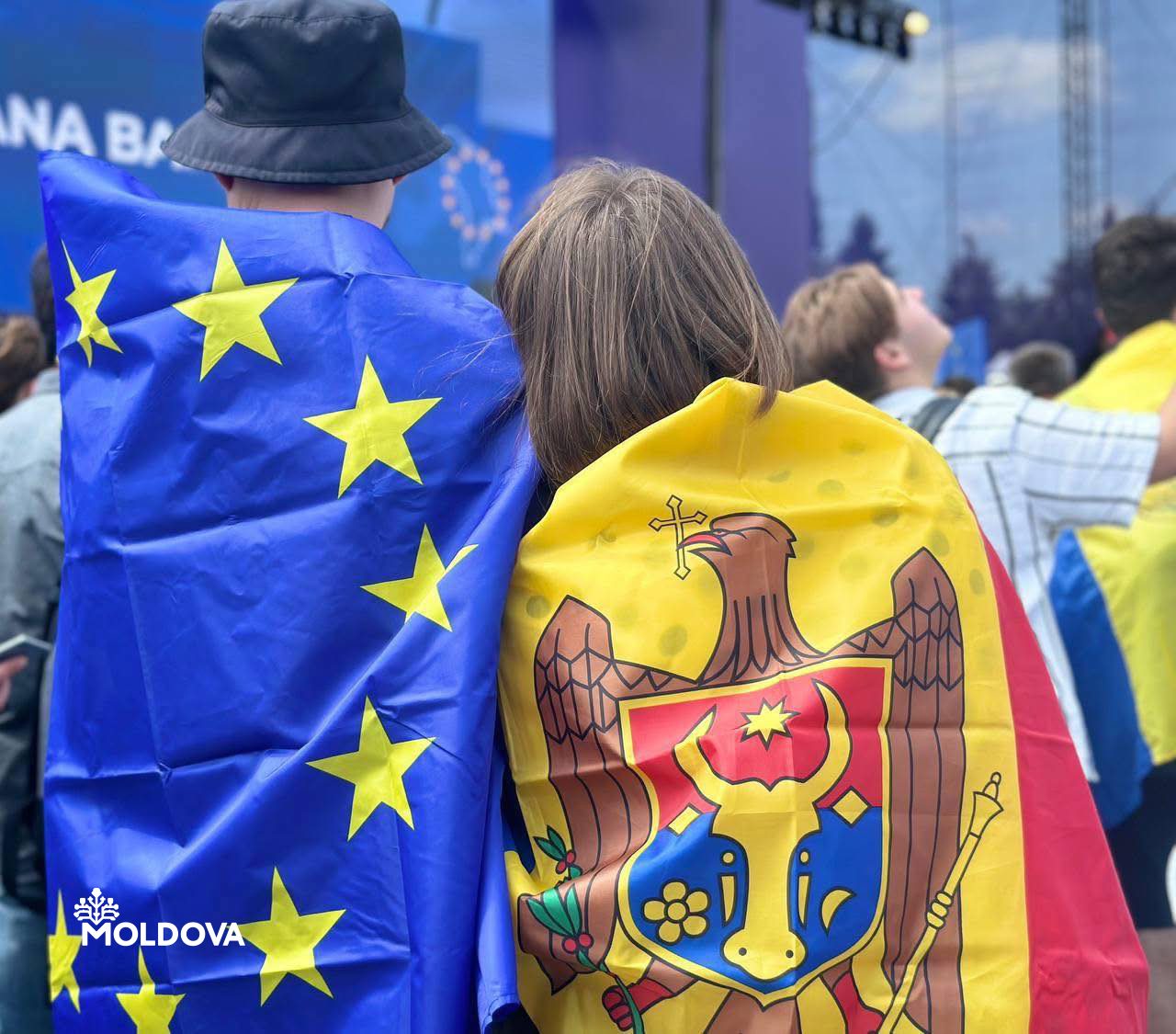
Moldova was granted EU candidate status in June 2022. As Moldova aligns with EU standards and trade frameworks, it becomes a strategic gateway between East and West for African partners.
Moldova was granted European Union candidate status in June 2022, a historic milestone placing the country on a trajectory of institutional reform, regulatory alignment, and market integration with the world’s largest economic bloc.
Moldova’s export economy is diversifying rapidly. Moldovan wine already reaches 63 countries globally and is growing fastest in Africa. Sunflower oil, agricultural machinery, insulated wire and cable, and a fast-rising ICT sector worth over $840 million annually are all seeking new markets. Africa is the logical frontier.
And yet Moldova has no resident embassy, no trade office, and no institutional presence anywhere on the African continent.
The African Continental Free Trade Area, the world’s largest free trade zone by participating nations, is reshaping how 1.4 billion people trade, invest, and grow. African governments are actively seeking new bilateral relationships outside their traditional partners.
Eastern Europe is underrepresented. Moldova is virtually unknown. That gap is not a problem. It is an opportunity for the first mover.
“The countries that establish presence in Africa now will shape the relationships of the next generation. Moldova has world-class products, a compelling national story, and EU alignment as a differentiator. What Moldova needs is someone already on the ground, already building the relationships, already being listened to. That work is underway.”
For a country with EU candidate status, world-class wine exports, and a rapidly internationalising economy, this absence is not a reflection of Africa’s importance to Moldova. It is simply a reflection of history. History is being rewritten.
Moldova in Africa exists to fill this gap. Not by waiting for governments to act, but by building the institutional relationships now, so that when Moldova’s formal diplomatic presence arrives on the continent, it arrives into a network that already exists.
To establish Moldova as a recognised and actively represented partner across the African continent, building the institutional, commercial, and diplomatic foundations of a permanent Moldova-Africa corridor that serves both Moldova’s global ambitions and Africa’s development priorities.
Moldova in Africa exists to build what no government has yet built: a structured, permanent, institution-to-institution presence for the Republic of Moldova across the 54 nations of the African continent.
Moldova in Africa is not a South African initiative. It is a continental strategy, built region by region.
This is not a future opportunity. Moldovan wine is already reaching Nigerian and Kenyan consumers. The corridor exists. What it needs now is institutional depth.
The Moldova-Africa corridor is not a concept. It is a network of active institutional relationships being built in real time across governments, chambers, embassies, and development agencies.
Active relationships with the Office of the Deputy Prime Minister and Ministry of Economic Development and Digitalization, Invest Moldova Agency, the Chamber of Commerce and Industry of Moldova, AmCham Moldova, and Moldovan diplomatic missions across Europe, North America, and the United Nations.
Diplomatic engagement with the embassies of Lithuania, Estonia, Hungary, Czech Republic, Austria, Romania, Tunisia, Belgium, Finland, and the Netherlands in South Africa, building a European diplomatic network that anchors the Eastern European corridor in Southern Africa.
Active partnerships with the Limpopo Chamber of Commerce and Industry, Limpopo Economic Development Agency (LEDA), Namibia Chamber of Commerce and Industry, ZimTrade Zimbabwe, and the Zambia Chamber of Commerce Trade and Industry.
Active engagement with the International Chamber of Commerce through the ICC Network and the ICC-FAO Hand-in-Hand Investment Initiative, connecting the Moldova-Africa agricultural corridor to the UN food systems agenda in Rome.
Engagement with the Department of International Relations and Cooperation (DIRCO), the Department of Trade, Industry and Competition (DTIC), InvestSA Limpopo, and the Office of the Premier of Limpopo, anchoring the corridor in South Africa’s institutional framework.
MOU-level relationships with the Czech Chamber of Commerce, Estonian Chamber of Commerce, Latvian Chamber of Commerce, Hungarian Chamber of Commerce, and Chamber of Commerce Serbia, all through the EESA Chamber federated model.
This platform documents the active work of building Moldova’s African corridor through forums, missions, and institutional relationships being developed in real time.
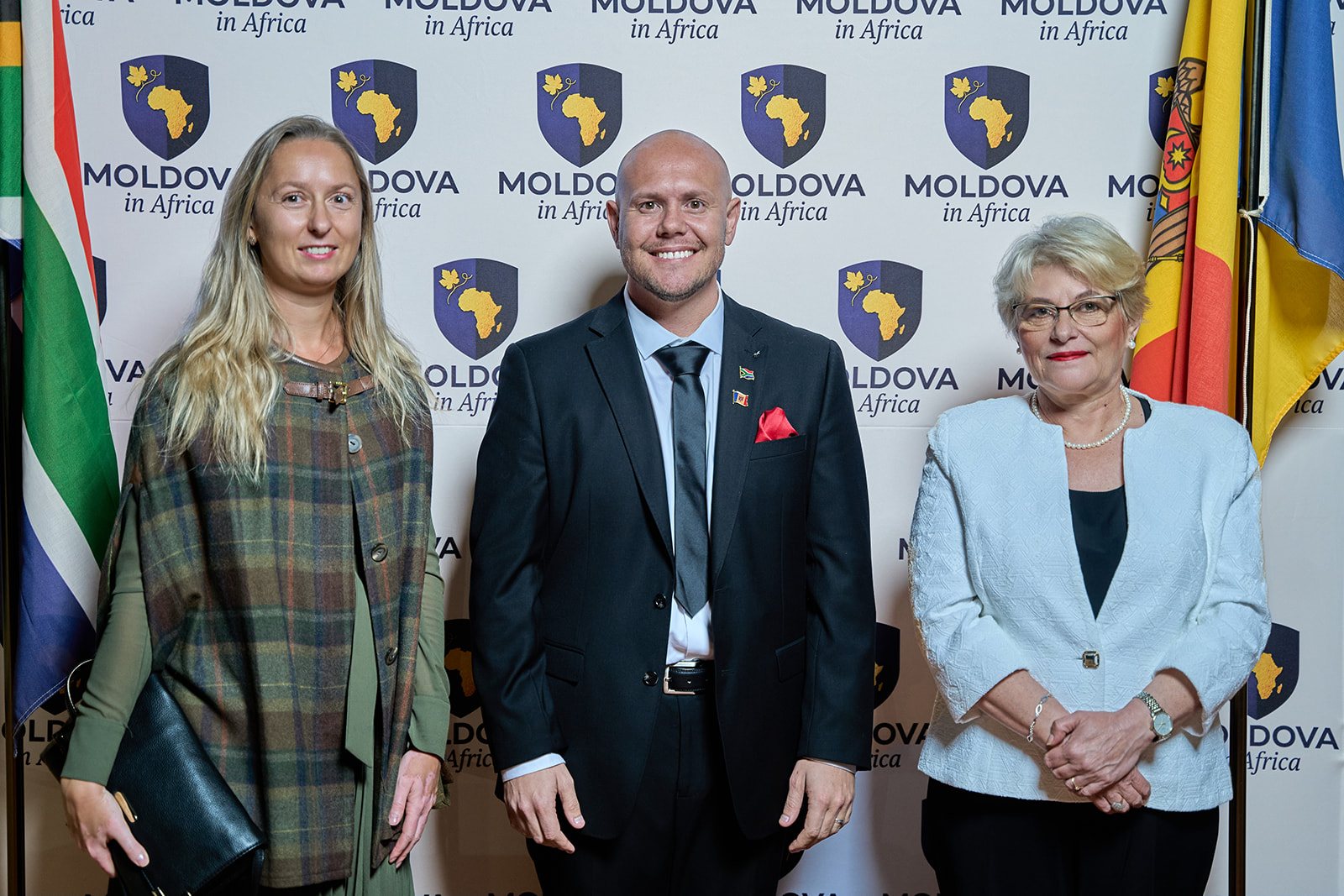
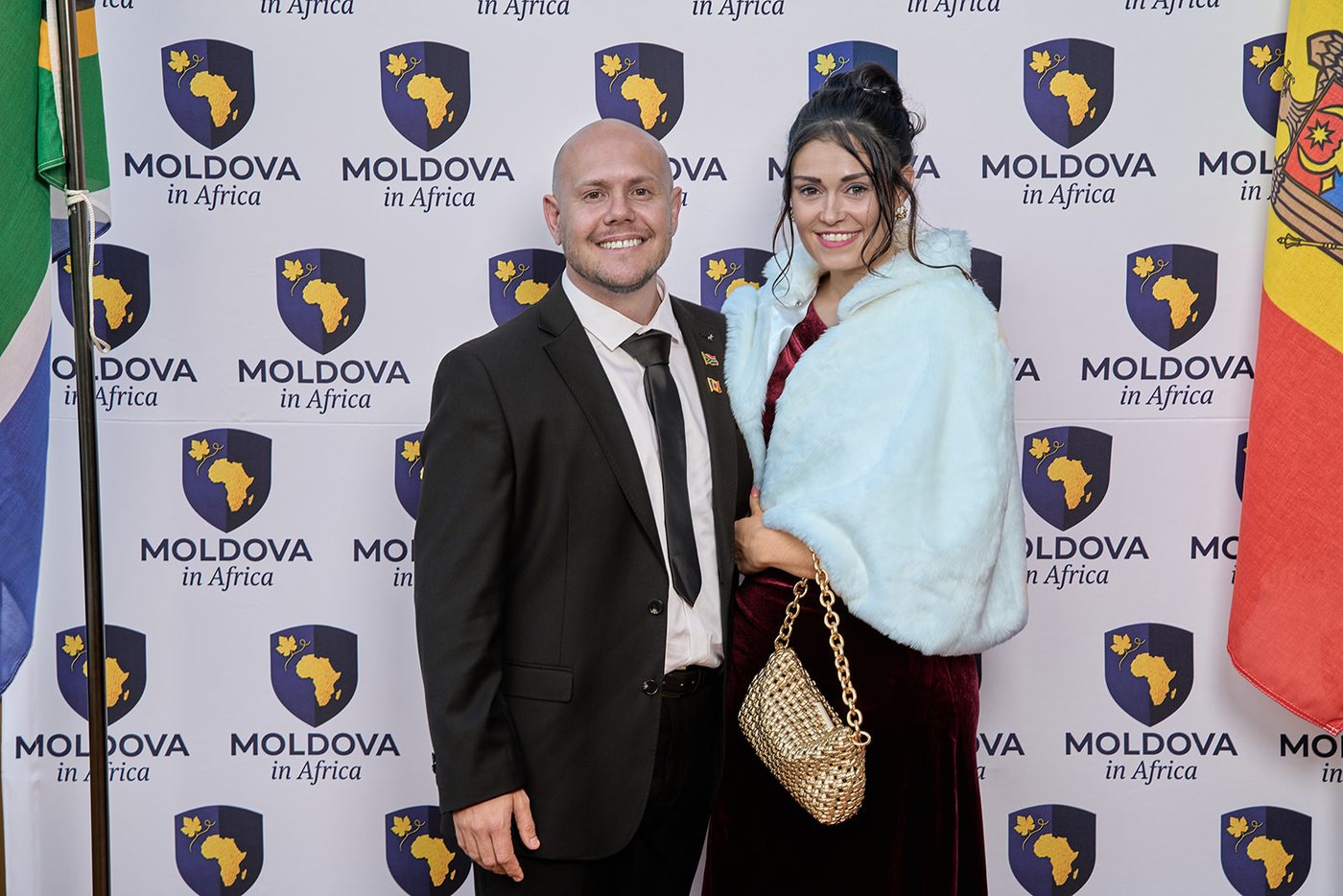
Pierre Calitz is a South African chamber builder, trade facilitator, and public diplomacy practitioner working to establish a structured, institution-to-institution corridor between Moldova and the African continent.
Based in Polokwane and Pretoria, Pierre brings together a rare combination of provincial government relationships, Eastern European institutional networks, and a genuine passion for building direct trade and diplomatic bridges between regions the world has left unconnected.
Through nearly two decades of business leadership and chamber building, Pierre has developed relationships spanning South African provincial government, the Limpopo business community, and diplomatic missions across Eastern Europe.
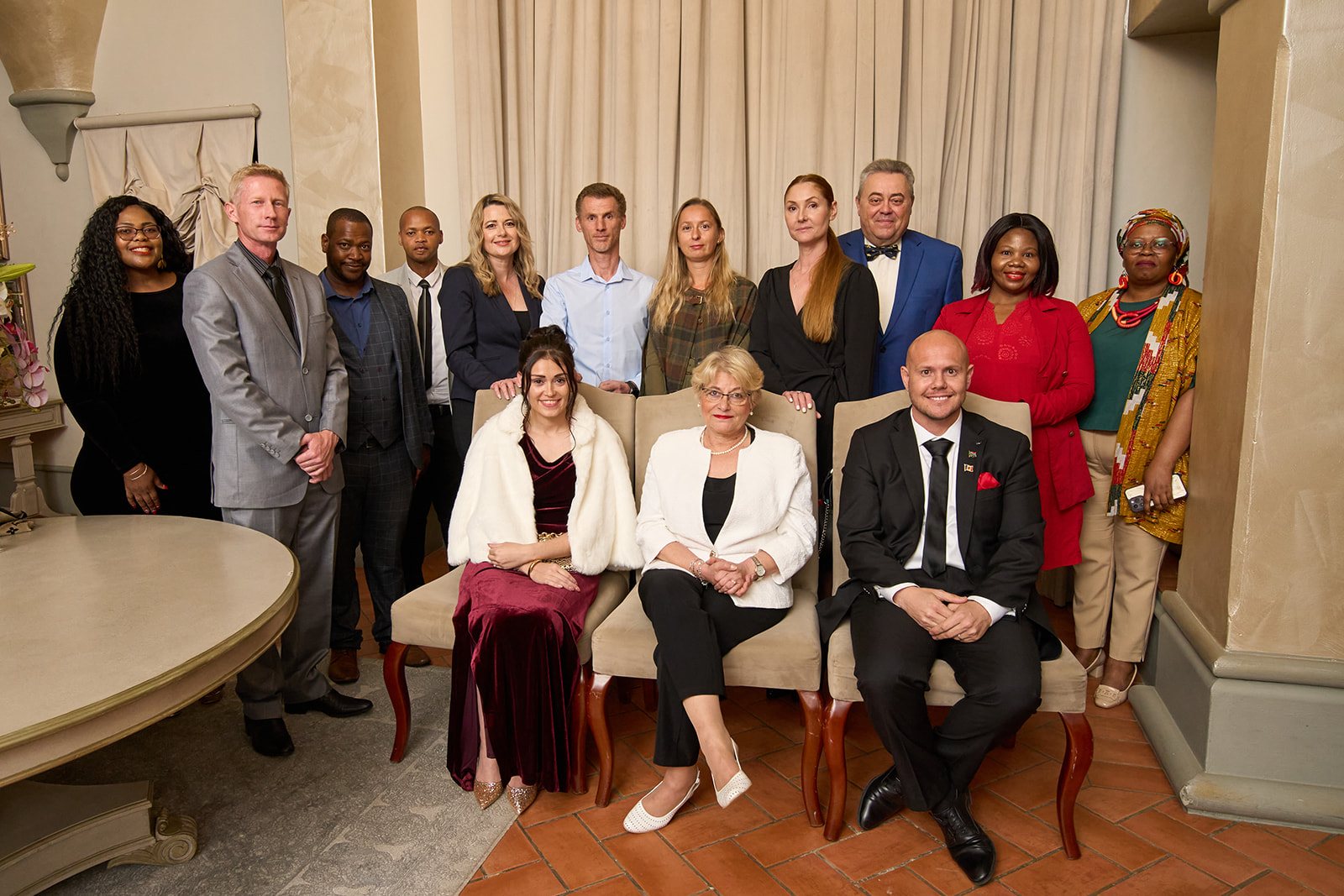
When the Honorary Consul of Moldova in South Africa takes up their mandate, and that moment is approaching, they will arrive into a network that already exists. Those relationships span provincial governments, national chambers, trade promotion agencies, and diplomatic communities across the SADC region and beyond. A documented track record of forums attended, ministers engaged, and institutional partnerships built.
A platform that has told Moldova’s African story, shared with African audiences, before Chișinău had a single official on the continent.
That is what Moldova in Africa is building.
Not a website. Not a LinkedIn page. Not a brochure.
This is an institutional presence for a country that does not yet have one, built with the discipline of a chamber president, the ambition of a diplomat, and the conviction that the most important corridors in the world are the ones nobody has built yet.
Moldova belongs in Africa.
The work of making that real. It starts here.
Whether you represent a government ministry, embassy, chamber of commerce, a Moldovan business seeking African market access, or an African business exploring Eastern European partnerships. This is where the conversation starts.
We welcome enquiries from African and Moldovan businesses, embassies and diplomatic missions, investment agencies, chambers of commerce, and government ministries aligned with the AfCFTA agenda and regional integration.